
How to Keep a Marriage Strong When Religious Observance Differs

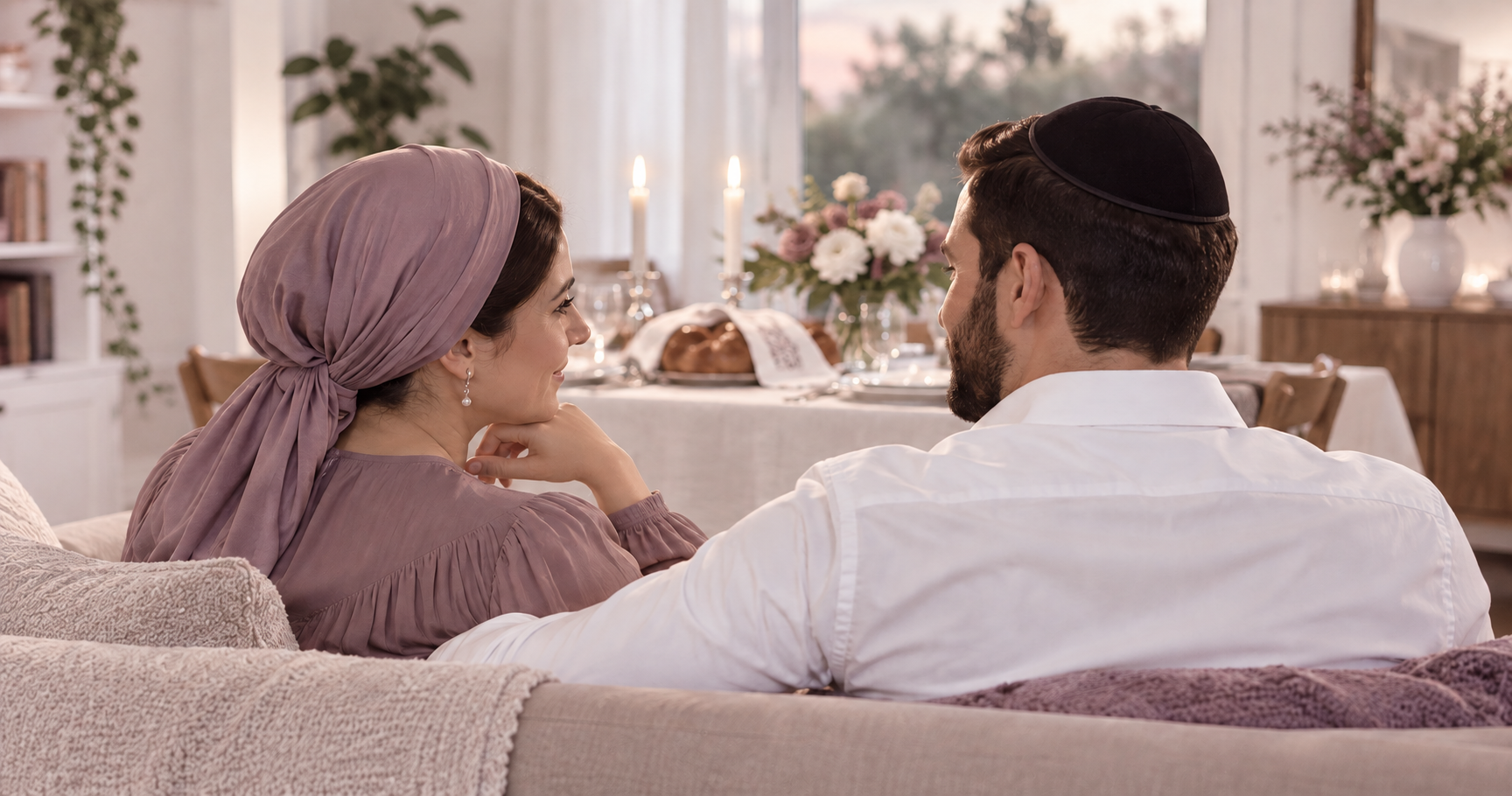
Can a marriage stay strong when spouses observe Judaism differently?
Yes. A Jewish marriage can remain strong when spouses differ in religious observance if they protect mutual respect, speak honestly, establish clear household agreements and stay anchored in shared values. The goal is not forced uniformity. It is creating a home in which both partners feel heard, secure and committed to the marriage.
Marriage is a sacred partnership rooted in love, respect and shared responsibility. For many Orthodox couples, that foundation includes Torah, mitzvos and a common vision of Jewish family life. Yet even within the same community, spouses may come from different homes, follow different minhagim or hold different standards in personal practice.
Those differences are not automatically a sign that the marriage is failing. They become painful when criticism, fear or uncertainty replaces curiosity and cooperation.
Why do differences in religious observance create conflict?
Religious differences often touch identity, family history, belonging and hopes for the children. A disagreement about a practice can therefore feel much larger than the practical decision itself. Each spouse may hear the disagreement as a judgment of their values, loyalty or spiritual sincerity.
One spouse may come from a more stringent home and the other from a more lenient environment. A partner’s practice may also change over time. The essential first step is to understand what the issue means to each person instead of assuming that one spouse cares and the other does not.
How can couples discuss religious differences without blame?
Choose a calm time, describe the concern in specific language and ask what matters most to each spouse. Replace accusations with statements about feelings, needs and practical effects. The purpose of the conversation is understanding and agreement—not proving who is the better Jew or better spouse.
- Begin with respect: Acknowledge that your spouse’s practice is connected to a personal journey and halachic understanding.
- Ask before interpreting: Explore whether the concern involves spiritual connection, personal comfort, community expectations or the children.
- Name the practical decision: Separate the immediate household question from broad judgments about the entire marriage.
- Use tefillah as an anchor: Pray for wisdom, patience and shalom rather than using religion as leverage in an argument.
How do couples find common religious values?
Practices may differ while core values remain deeply aligned. Couples can identify the principles they both want their home to reflect—such as ahavas Yisrael, Torah learning, kindness, honesty, family harmony and sincere spiritual growth—and use those values to guide practical decisions.
Shared goals might include raising children with a secure Jewish identity, maintaining a peaceful home, participating in community life and supporting each other’s growth. When the couple returns to the shared purpose beneath a disagreement, the difference often becomes easier to manage.
What household agreements can reduce recurring tension?
Clear agreements reduce the uncertainty that turns ordinary moments into repeated arguments. Couples should decide together which household practices need consistency, where individual choice is possible and which questions require guidance from a mutually trusted rav.
- List the recurring areas: Shabbos, kashrus, dress, technology, school, guests, community participation or family minhagim.
- Separate home standards from personal practice: Decide what must be consistent for the household and where each spouse can have room.
- Identify nonnegotiables carefully: Explain the value or concern beneath each request.
- Put agreements into clear language: Do not rely on assumptions that each spouse defines differently.
- Revisit the agreement: Children, community circumstances and spiritual growth can change what the family needs.
Flexibility does not mean ignoring halacha or abandoning important values. Halachic questions should be discussed with the couple’s own trusted rav. Within that guidance, flexibility can help protect both dignity and shalom bayis.
How should parents handle religious differences around children?
Children need clarity, security and permission to respect both parents. Even when parents differ personally, they should agree on the home’s message and avoid making children the audience, messenger or judge in adult religious disagreements.
During early childhood
Consistency matters most. Parents can establish a unified home standard while explaining simply that different families and individuals may follow different customs.
During adolescence
Teenagers notice inconsistencies and ask harder questions. Parents should respond openly and without contempt. They can model that sincere avodas Hashem includes learning, humility and respectful disagreement.
When parents contradict each other
Repair the contradiction directly. Agree on the message the children should receive and discuss adult differences privately. A child should never feel pressured to choose which parent is more religious or more correct.
When can a rav, mentor or relationship coach help?
Outside guidance is useful when the couple cannot reach a stable agreement, the same argument keeps damaging connection or religious questions become entangled with resentment. A trusted rav can clarify halachic boundaries, while a qualified relationship professional can help the couple communicate and make workable agreements.
Both spouses should have confidence in the person they consult. Guidance is most effective when it supports the marriage rather than recruiting an authority figure to defeat one partner.
Focus on growth, not perfection
A strong Jewish marriage is not one in which two people practice identically at every moment. It is one in which differences are handled with humility, honesty, responsibility and love. Small successes matter: one respectful conversation, one clear agreement, one sincere apology and one decision that protects both the home and the relationship.
When spouses model mutual respect even while working through differences, they give their children a powerful picture of Torah, commitment and shalom bayis in real life.
Related Marriage Insights
- Why Strong Marriages Take Time and Patience
- Shidduch Expectations vs. Real Life: Building the Marriage You Have
- Browse more The Jewish Home articles
Frequently Asked Questions
Can a marriage work when spouses have different levels of religious observance?
Yes. Differences in observance do not automatically make spouses incompatible. Respect, honest communication, clear household agreements and shared values can help couples build a strong Jewish home.
How should parents handle different religious standards at home?
Parents should agree on clear household standards, present a respectful and consistent message to their children, and seek guidance from a mutually trusted rav when halachic questions arise.
When should a couple seek outside guidance?
Outside guidance can help when the same disagreement keeps escalating, household expectations remain unclear, or children feel caught between conflicting messages. Choose a rav, mentor or qualified relationship professional both spouses trust.
Keep going, together
Full access to every plan, practice and check-in in the Emotional Marriage Method. Small steps you can actually do, in the middle of a real week.